Natural Root Booster for Plants: Ingredients That Support Root Growth
- Jul 10
- 8 min read
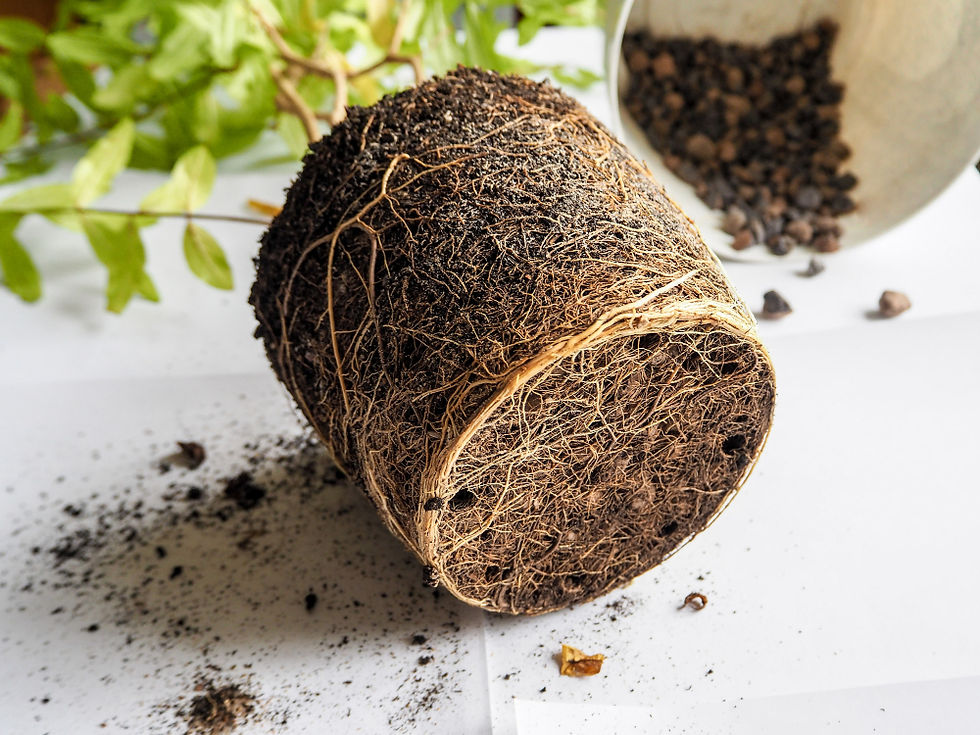
Healthy plant growth starts below the soil. Leaves, flowers, and fruits may be the most visible parts of a plant, but the root system controls how effectively the plant absorbs water and nutrients. When roots are weak, damaged, or poorly developed, the entire plant may struggle.
A natural Root Booster For Plants can support root establishment without relying only on heavy chemical feeding. These products often contain beneficial fungi, microbes, seaweed extracts, amino acids, humic substances, and other naturally derived ingredients that help create better conditions around the root zone.
Understanding these ingredients can help gardeners, farmers, and plant growers choose a suitable Plant Root Booster for seedlings, vegetables, flowers, trees, and indoor plants.
What Is a Natural Root Booster for Plants?
A natural root booster is a product formulated to support root growth, root branching, nutrient uptake, or microbial activity in the soil. Unlike standard fertilizers, which mainly supply nutrients to the entire plant, a root booster focuses more directly on the root zone.
Natural root boosters may contain living microorganisms, plant extracts, organic compounds, or naturally sourced minerals. Some products are applied during planting, while others can be mixed with water and applied around established plants.
A Root Booster For Plants cannot replace proper watering, good drainage, suitable soil, and balanced nutrition. However, it can support healthier root establishment when used correctly.
Why Strong Roots Matter
Plant roots perform several essential functions. They anchor the plant, absorb water, take up nutrients, store energy, and interact with beneficial microorganisms in the soil.
A well-developed root system may help plants:
Establish faster after planting
Recover more effectively after transplanting
Access water from a wider soil area
Absorb available nutrients more efficiently
Remain stable during changing weather
Support stronger vegetative and reproductive growth
Plants with limited roots may dry out quickly, show nutrient deficiencies, or struggle to recover from environmental stress.
Key Ingredients in a Natural Plant Root Booster
Not every Plant Root Booster contains the same ingredients. Some focus on microbial activity, while others support soil structure or provide natural compounds associated with plant development.
The following ingredients are commonly found in natural root-supporting products.
Mycorrhizal Fungi
Mycorrhizal fungi are among the most widely used ingredients in natural root boosters. These beneficial fungi form an association with living plant roots.
Once established, the fungal network extends beyond the natural reach of the root hairs. This may help the plant explore a larger volume of soil for water and nutrients.
Mycorrhizal fungi may support the uptake of nutrients such as phosphorus and certain micronutrients. They are often applied directly to seeds, roots, planting holes, or transplant root balls because direct root contact is important for colonisation.
A Plant Root Booster containing mycorrhizal fungi may be useful for:
Vegetables
Flowers
Trees and shrubs
Lawns
Container plants
Transplants
However, the product must be appropriate for the plant species because not every plant forms the same type of mycorrhizal relationship.
Beneficial Bacteria
Some natural root boosters contain plant-supporting bacteria that live around the root zone. These microorganisms may contribute to nutrient cycling, organic matter breakdown, and a more active soil environment.
Certain beneficial bacteria can help make soil nutrients more available to plants. Others may support root-zone balance by competing with undesirable microorganisms.
Common microbial ingredients may include species from genera such as Bacillus, Azotobacter, or Pseudomonas. Their performance depends on storage conditions, soil moisture, temperature, and application method.
When selecting a microbial Root Booster For Plants, check whether the label clearly lists the strains, concentration, expiry date, and storage instructions.
Seaweed Extract
Seaweed extract is commonly used in natural plant-care products. It contains trace minerals, carbohydrates, amino acids, and naturally occurring plant compounds.
Seaweed-based ingredients are often used during transplanting, early growth, or environmental stress. They may support root branching and help plants maintain active growth when conditions are suitable.
Seaweed extract is usually available in liquid, powder, or granular form. It should be applied according to the recommended dosage because concentrated products can be strong.
Humic Acid
Humic acid is derived from decomposed organic material. It is often added to soil conditioners, fertilizers, and root boosters.
Humic substances may support soil structure, moisture retention, and nutrient-holding capacity. In sandy soils, they may help the soil retain nutrients more effectively. In compacted soils, they can contribute to better root-zone conditions when combined with proper soil management.
Humic acid does not directly create roots, but it may help establish a more favourable environment for root activity.
Fulvic Acid
Fulvic acid is another organic compound associated with decomposed plant and soil material. It has smaller molecular structures than humic acid and is often included in liquid plant supplements.
Fulvic acid may help transport nutrients and support their availability in the root zone. It is commonly combined with humic acid, seaweed extract, or microbial ingredients in natural Plant Root Booster formulations.
The effectiveness of fulvic acid depends on product quality, dosage, soil condition, and nutrient availability.
Amino Acids
Amino acids are building blocks used by plants to produce proteins and enzymes. Some natural root boosters contain amino acids derived from plant or organic sources.
These ingredients may support plant metabolism during periods of active growth or stress. They are often used in foliar feeds, soil drenches, and transplant-support products.
Amino acids should not be treated as a substitute for complete plant nutrition. They work best as part of a balanced plant-care programme.
Compost and Aged Organic Matter
Compost is one of the simplest natural materials for supporting healthy roots. Well-prepared compost improves soil structure, adds organic matter, supports microbial activity, and helps regulate moisture.
Aged manure and compost can create better conditions for root growth, but they must be properly decomposed. Fresh manure may contain excessive salts or ammonia that can damage young roots.
Compost can be mixed into garden beds before planting or applied around established plants as a surface layer. Avoid placing large quantities directly against stems or trunks.
Worm Castings
Worm castings are produced through the digestion of organic material by earthworms. They contain organic matter, small amounts of nutrients, and beneficial microbial activity.
Worm castings can be added to seed-starting mixes, potting soil, planting holes, and garden beds. They release nutrients slowly and may help improve root-zone conditions without creating the high salt levels associated with some concentrated fertilizers.
Because worm castings are gentle, they are often used for seedlings, herbs, vegetables, and indoor plants.
Fish Emulsion and Hydrolysed Fish
Fish-based fertilizers contain nitrogen, amino acids, and trace nutrients. Some natural root boosters include fish-derived ingredients to support early plant growth.
Fish emulsion is generally more focused on nutrient supply than direct root stimulation. However, when applied at the correct rate, it can support young plants as their root system develops.
Overapplication may lead to excessive leafy growth, odour, or nutrient imbalance. Always dilute fish products according to the label.
Kelp Meal
Kelp meal is a dried seaweed product used in soil mixes and organic growing programmes. It contains trace elements and naturally occurring compounds associated with plant development.
Unlike liquid seaweed extract, kelp meal releases its components more slowly. It may be mixed into soil before planting or applied around established plants.
Kelp meal is commonly combined with compost, humic substances, or microbial products in natural root-support programmes.
Rock Phosphate
Phosphorus is important for energy transfer and root development, but excessive phosphorus can create nutrient imbalances and may reduce the activity of certain mycorrhizal fungi.
Rock phosphate is a naturally sourced mineral containing phosphorus. It releases nutrients slowly and works best in soils where conditions allow phosphorus to become available.
Before applying phosphorus-based products, a soil test can help determine whether additional phosphorus is actually needed.
Willow Extract
Willow branches contain naturally occurring compounds associated with root development. Some gardeners prepare willow water by soaking young willow stems and using the solution around cuttings or transplants.
Evidence and results may vary depending on preparation, plant species, concentration, and growing conditions. Homemade willow solutions should not be considered a guaranteed replacement for a commercially tested rooting product.
Cinnamon
Cinnamon is sometimes used by gardeners around cuttings because of its natural antimicrobial properties. However, cinnamon is not a complete Plant Root Booster and does not directly supply the microorganisms or nutrients required for root establishment.
It may be used as part of a propagation routine, but it should not replace suitable growing media, moisture control, rooting hormones, or microbial root-support products.
Root Booster vs Rooting Hormone
A root booster and a rooting hormone are not the same product.
A rooting hormone is mainly used to encourage new root formation on plant cuttings. It may contain compounds such as indole-3-butyric acid or naturally derived alternatives.
A Root Booster For Plants is generally used to support roots that already exist. It may contain mycorrhizal fungi, beneficial bacteria, seaweed, humic acids, or nutrients.
For cuttings without roots, a rooting hormone may be more appropriate. For seedlings, transplants, and established plants, a root booster may be more useful.
Root Booster vs Fertilizer
A fertilizer supplies nutrients such as nitrogen, phosphorus, and potassium. A root booster may contain some nutrients, but its main purpose is usually to support root activity, microbial association, or root-zone conditions.
Some plants may need both products. However, combining multiple products without checking their nutrient content can lead to overapplication.
Always review the ingredient list and nutrient analysis before using a Plant Root Booster with regular fertilizer.
How to Choose a Natural Root Booster
Before choosing a root-support product, consider the plant type, application stage, growing environment, and ingredients.
Look for:
Clearly identified ingredients
Microbial strain information where relevant
Application directions
Storage instructions
Recommended plant types
Expiry or manufacturing information
Suitable dosage for containers or garden soil
Avoid products that make unrealistic promises or fail to explain what they contain.
How to Apply a Natural Root Booster
The correct method depends on the formulation.
Powders and granules may be added to planting holes or placed near the root ball. Liquid products may be diluted and applied as a soil drench. Mycorrhizal fungi usually need direct contact with living roots.
For established plants, apply the product within the active root zone rather than directly against the stem. Watering after application may help distribute some products through the soil, but label instructions should always be followed.
Common Mistakes to Avoid
Natural does not mean unlimited or risk-free. Common mistakes include:
Applying more than the recommended amount
Using microbial products after improper storage
Applying to waterlogged soil
Combining incompatible fungicides and beneficial fungi
Using excessive phosphorus
Expecting immediate visible growth
Ignoring soil compaction or poor drainage
A Plant Root Booster cannot correct severe root rot, pest damage, or unsuitable soil conditions by itself.
Can You Make a Natural Root Booster at Home?
Some homemade materials can support soil and root health, including compost, worm castings, diluted seaweed solutions, and properly prepared organic matter.
However, homemade mixtures may vary in nutrient strength, microbial content, safety, and consistency. Avoid combining too many ingredients without understanding their effects.
For valuable crops, sensitive seedlings, or large-scale planting, a tested commercial product may provide more reliable application rates.
Supporting Healthier Root Development Naturally
A natural Root Booster For Plants can support root establishment by improving the root-zone environment and introducing beneficial biological or organic ingredients. Mycorrhizal fungi, beneficial bacteria, seaweed extract, humic substances, amino acids, compost, and worm castings are among the most common options.
The right Plant Root Booster should match the plant type, soil condition, and purpose of application. It should also be used alongside suitable watering, drainage, light, and balanced nutrition.
Healthy roots develop through consistent care. Choosing well-defined ingredients and applying them correctly can help plants establish a stronger foundation for continued growth.


Comments